
Innovative On-Call Medical Service Helps Falmouth University

Luke Tudor • March 11, 2026

Share this article

A student suffering significant trauma receives medical care within minutes thanks to a new partnership.

A student suffered a severe open fracture of the tibia and fibula on campus; an extremely serious injury with immediate risks to circulation, limb viability and long-term function. The casualty was in excruciating pain and the condition of the leg was significantly compromised.


Thanks to the university’s partnership with Coast Medic, an on-call paramedic was dispatched and on scene within minutes, delivering a level of care far beyond standard first aid provision.


Following a rapid clinical assessment, our paramedic administered advanced analgesia, including morphine and Entonox, before performing a time-critical realignment of the limb and applying a splint to stabilise the injury. This decisive intervention helped restore circulation and prevent further deterioration, significantly reducing the risk of permanent damage.


“It was immediately clear this was a serious traumatic injury,” said Luke, the attending paramedic. “Without urgent realignment, the loss of circulation could have led to a life-changing outcome. Acting quickly was essential.”


Once stabilised, the patient was supported by NHS ambulance services and transferred to the local Emergency Department for definitive care.

The challenge for Educational Establishments


Across the UK, increasing demand on NHS ambulance services has led to well-documented delays in response times, particularly during periods of peak pressure. This means that in many cases, patients experiencing medical emergencies may wait significant periods before an ambulance arrives.


For universities and schools, this creates a critical risk and places significant burden on campus staff.


Traditionally, organisations have relied on onsite first aid provision to bridge the gap. However, first aid by its very nature is limited.  It is designed to preserve life and prevent deterioration, not to deliver definitive clinical treatment. In today’s environment, where ambulance delays can occur, first aid alone is no longer sufficient to consistently ensure positive patient outcomes.

How Our Service Bridges the Gap Between Incident and Ambulance Arrival


Our on-call paramedic service has been specifically developed to address this growing challenge.  By providing rapid access to qualified paramedics and ambulance clinicians, we ensure that when an incident occurs:


  • Clinical care begins within minutes
  • Patients receive advanced assessment, treatment and stabilisation onsite
  • Serious conditions can be managed and treated proactively, reducing the risk of deterioration
  • Ambulance transfer to hospital in the event NHS services are significantly delayed


This fundamentally changes the response model; from waiting for care, to delivering care immediately.

Protecting Your Staff and Reducing Pressure


Without clinical support, responsibility for managing unwell or injured individuals often falls to security teams, pastoral staff, or first aiders; sometimes for prolonged periods.


This creates several challenges:


  • Staff are placed in high-pressure situations beyond their clinical scope
  • Incidents can become prolonged and resource-intensive
  • There is an increased risk of stress, fatigue, and emotional impact on staff


Our service removes that burden and responsibility.  With paramedics available on-call, your team is rapidly supported by experienced clinicians who can take over patient care, make clinical decisions, and manage the incident through to resolution or handover.


This allows your staff to return to their primary roles, while having confidence that the patient is receiving appropriate, professional medical care.

A Modern, Responsible Approach to Safety


Educational institutions have a clear duty of care to ensure that appropriate systems are in place to respond to medical emergencies.  In a landscape where NHS services are under sustained pressure, forward-thinking organisations are recognising that:


  • Response time is critical to outcomes
  • Clinical capability onsite significantly reduces risk
  • Relying solely on external emergency services is no longer enough


Our on-call paramedic service provides a robust, scalable solution, enhancing safety, supporting staff and ensuring that when emergencies happen, your organisation is prepared to respond at a clinical level.


When minutes matter, having the right people available quickly makes all the difference.

Learn More About the Service


We are currently offering schools, colleges and businesses with advanced medical services on an on-call basis.  This offers an extremely cost effective service that improves care within your organisation.  For more information please contact us using the online contact form on our website.

  • How is our care governed?

    Our comprehensive clinical governance ensures safe, uptodate clinical care.

    Our policies, procedures and guidelines align with JRCALC.


    As a CQC Registered provider, we are independent assessed to ensure safe practice.

  • Are we regulated?

    We are registered and regulated by the Care Quality Comission and provide the same standards of care and treatment as NHS crews.

  • How does this service work with the NHS?

    This service is not designed to replace NHS services, but to compliment them as demand has increased.


    When a medical incident could be lifethreatening, the NHS ambulance service must be called prior to activating our response.  However, we often respond prior to the arrival of the NHS and can either facilitate expiditing ambulance response or stand down them down if not required.

  • How are we dispatched?

    We are dispatched using a web incident management platform or by phone.

Recent Posts

By Luke Tudor March 22, 2026
Working with Falmouth Town Council, we provided event medical cover at the Falmouth Flower Show, supporting organisers, exhibitors, and visitors with safe, responsive on-site care throughout the event.
By Luke Tudor March 21, 2026
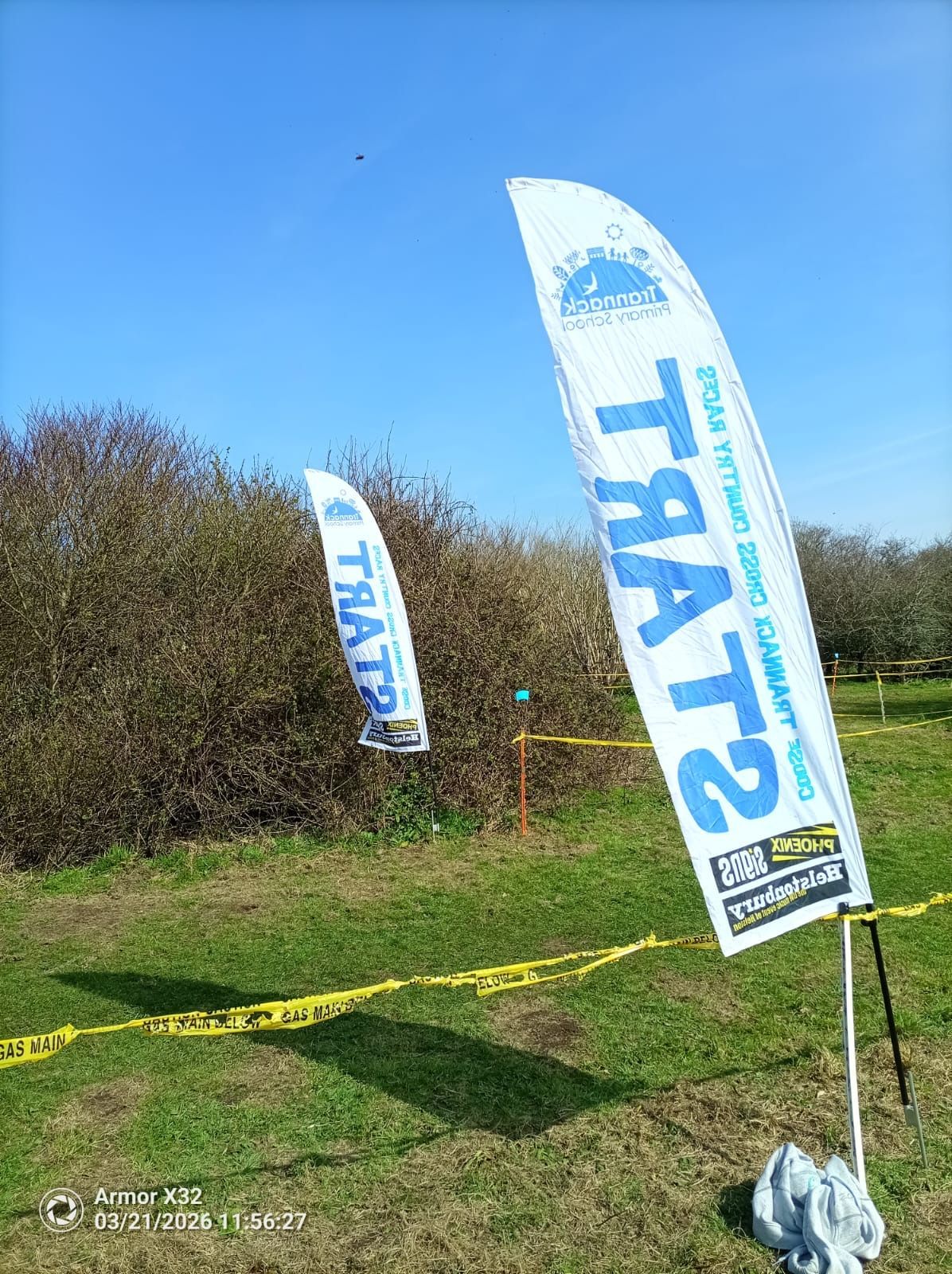
Coast Medic Ambulance was pleased to provide medical support at this year’s Coose Trannack Cross Country, a fantastic community event welcoming participants from as young as 4 years old through to adults. With fabulous weather setting the scene, the event—organised by Trennack School—was exceptionally well run and created a brilliant atmosphere for runners and spectators alike. It was clear to see the effort that had gone into planning a safe and enjoyable day for all involved. Our team was on hand throughout the event to deliver professional medical cover, ensuring that any incidents could be managed quickly and effectively. Thankfully, the day ran smoothly, allowing participants to focus on enjoying the course and achieving their personal goals.  It’s always a pleasure to support events like Coose Trannack Cross Country, and we look forward to working with Trennack School again in the future.

By Luke Tudor March 18, 2026
What is the Purple Guide? The The Purple Guide to Health, Safety and Welfare at events is the UK’s recognised standard for planning safe events. It provides comprehensive guidance on all aspects of event delivery, including crowd safety, infrastructure and medical provision. For event organisers, the Purple Guide is not optional reading; it is the benchmark used by: Local Authorities Safety Advisory Groups (SAGs) Emergency Services Licensing bodies Failure to follow its principles can expose organisers to legal liability, particularly if an incident occurs and medical provision is found to be inadequate.

By Luke Tudor March 18, 2026
We’re always pleased to support gig events and offer a discount to CPGA members.
March 18, 2026
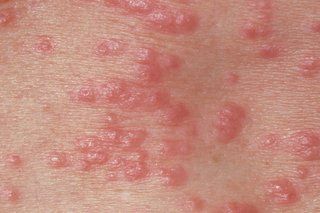
Advice on Scabies Outbreak in Cornish Schools and Colleges

By Luke Tudor March 14, 2026
Delivering a successful event involves more than entertainment, logistics and crowd management. Event organisers have a legal duty of care to ensure that everyone attending the event is protected from foreseeable harm and that appropriate medical support is available if something goes wrong. Too often, event organisers assume that booking a “first aid provider” satisfies this requirement. In reality, there is a significant difference between basic first aid provision and regulated medical services. Understanding this difference is essential not only for public safety but also for protecting organisers from serious legal and reputational consequences. This article aims to explain the difference to help event organisers consider what's right for their event.
By Luke Tudor March 11, 2026
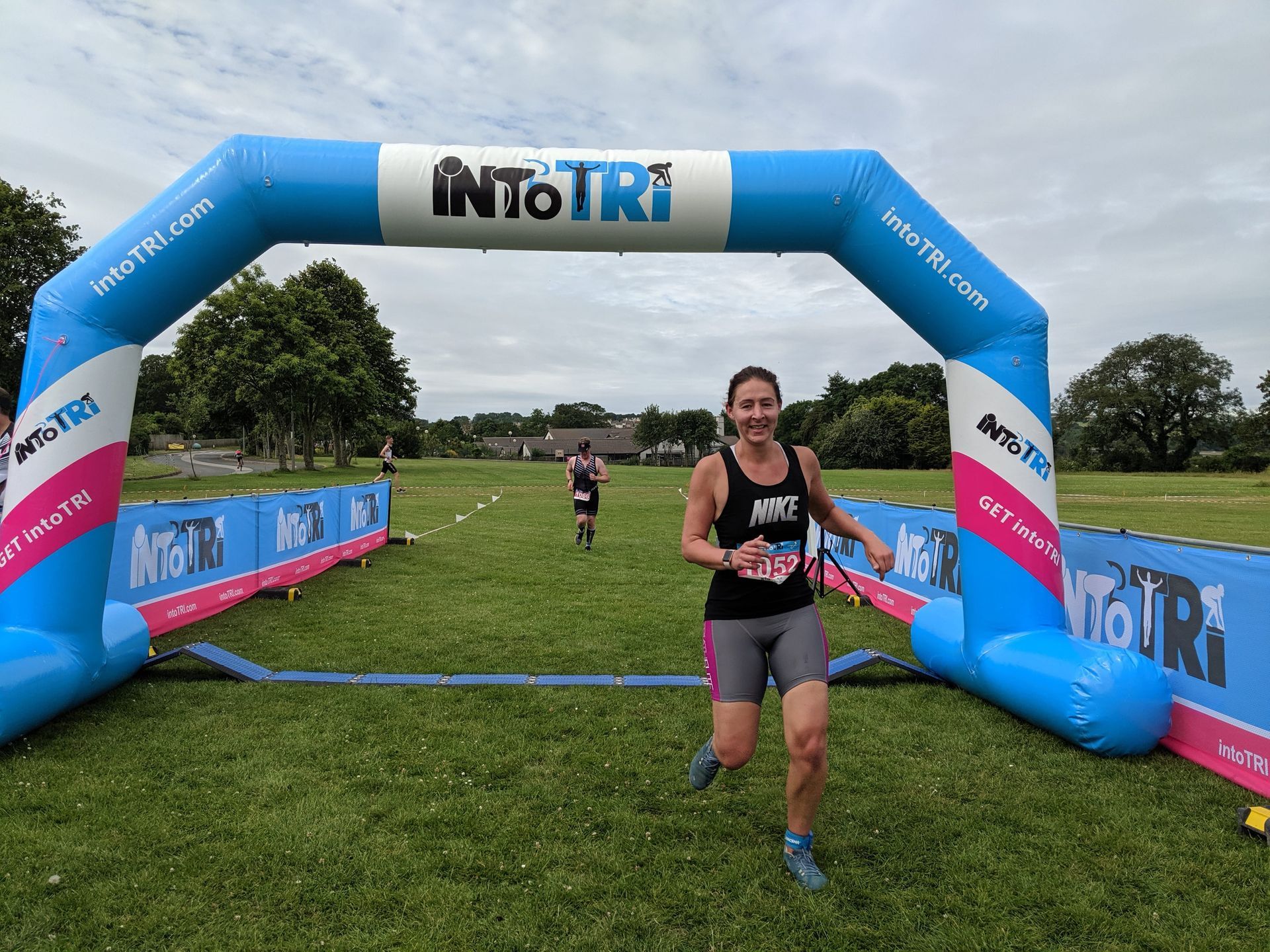
IntoTri Events make triathlons accessible to everyone. We are delighted to have been chosen as their 2026 medical provider.
By Luke Tudor March 11, 2026
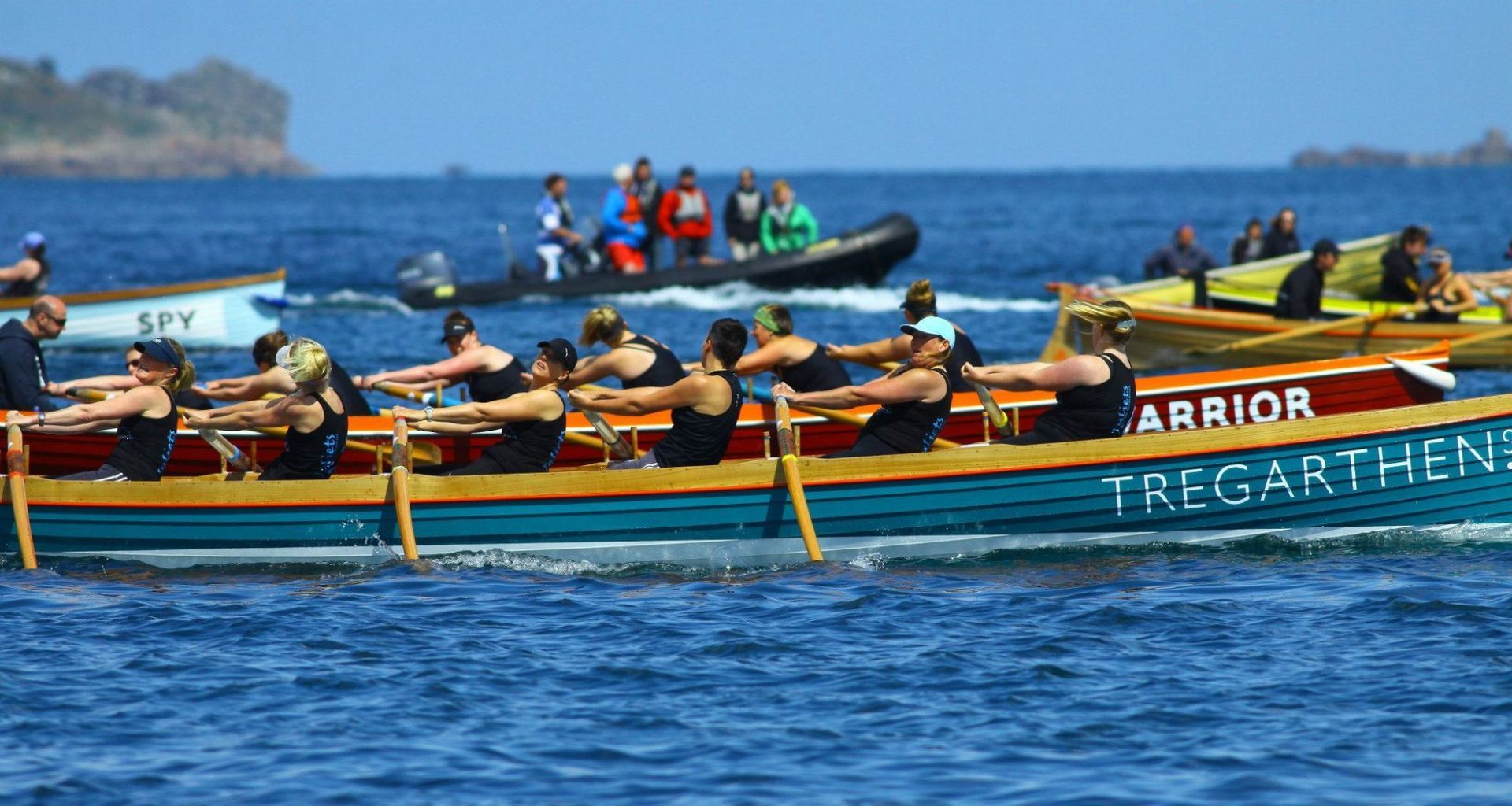
The World Gig Championships is logistically challenging, but we absolutely love being their medical provider.