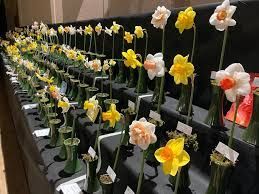
Working with Falmouth Town Council, we provided event medical cover at the Falmouth Flower Show, supporting organisers, exhibitors, and visitors with safe, responsive on-site care throughout the event.
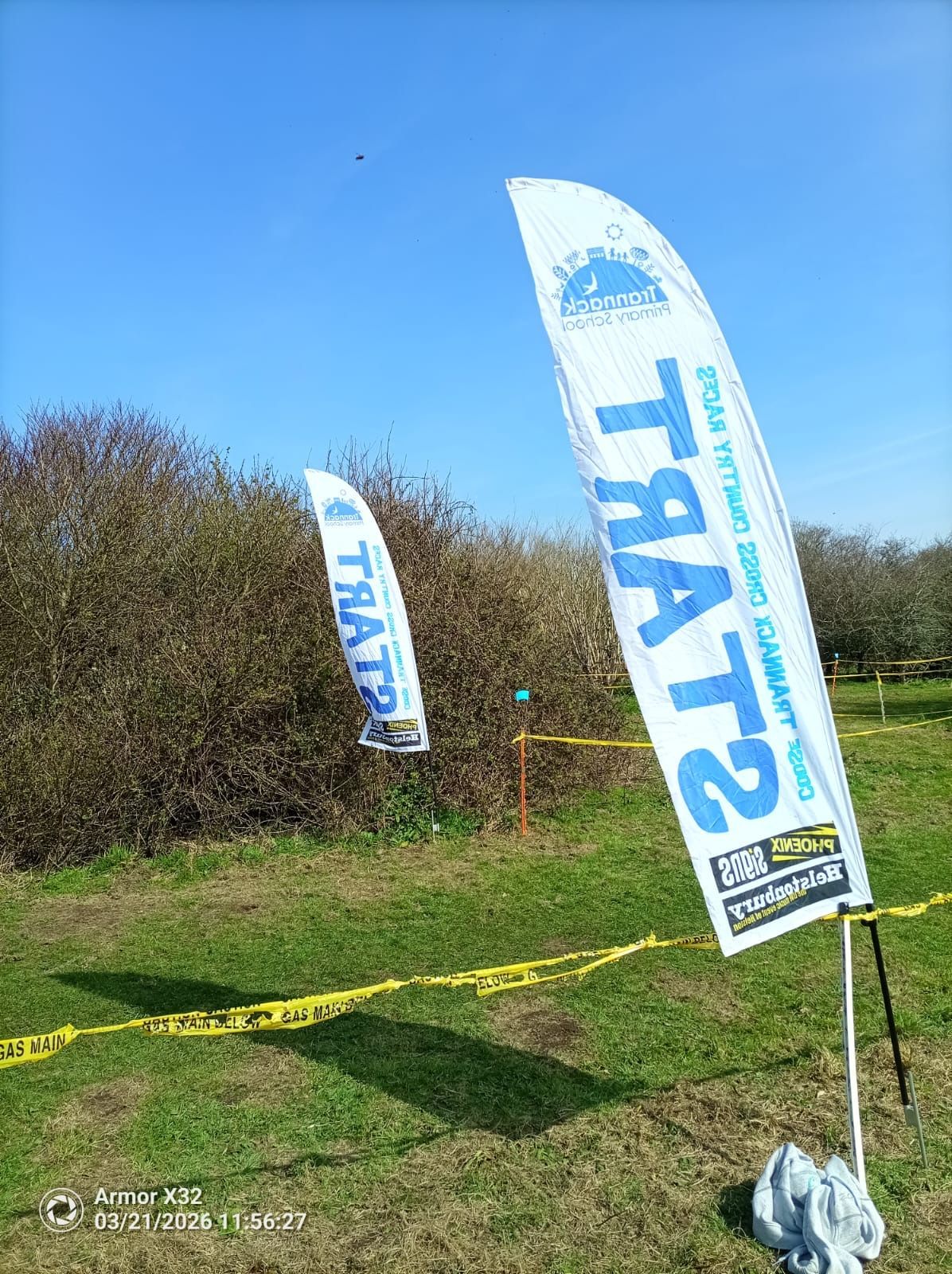
Coast Medic Ambulance was pleased to provide medical support at this year’s Coose Trannack Cross Country, a fantastic community event welcoming participants from as young as 4 years old through to adults. With fabulous weather setting the scene, the event—organised by Trennack School—was exceptionally well run and created a brilliant atmosphere for runners and spectators alike. It was clear to see the effort that had gone into planning a safe and enjoyable day for all involved. Our team was on hand throughout the event to deliver professional medical cover, ensuring that any incidents could be managed quickly and effectively. Thankfully, the day ran smoothly, allowing participants to focus on enjoying the course and achieving their personal goals. It’s always a pleasure to support events like Coose Trannack Cross Country, and we look forward to working with Trennack School again in the future.

What is the Purple Guide? The The Purple Guide to Health, Safety and Welfare at events is the UK’s recognised standard for planning safe events. It provides comprehensive guidance on all aspects of event delivery, including crowd safety, infrastructure and medical provision. For event organisers, the Purple Guide is not optional reading; it is the benchmark used by: Local Authorities Safety Advisory Groups (SAGs) Emergency Services Licensing bodies Failure to follow its principles can expose organisers to legal liability, particularly if an incident occurs and medical provision is found to be inadequate.

We’re always pleased to support gig events and offer a discount to CPGA members.

Delivering a successful event involves more than entertainment, logistics and crowd management. Event organisers have a legal duty of care to ensure that everyone attending the event is protected from foreseeable harm and that appropriate medical support is available if something goes wrong. Too often, event organisers assume that booking a “first aid provider” satisfies this requirement. In reality, there is a significant difference between basic first aid provision and regulated medical services. Understanding this difference is essential not only for public safety but also for protecting organisers from serious legal and reputational consequences. This article aims to explain the difference to help event organisers consider what's right for their event.

A student suffering significant trauma receives medical care within minutes thanks to a new partnership.
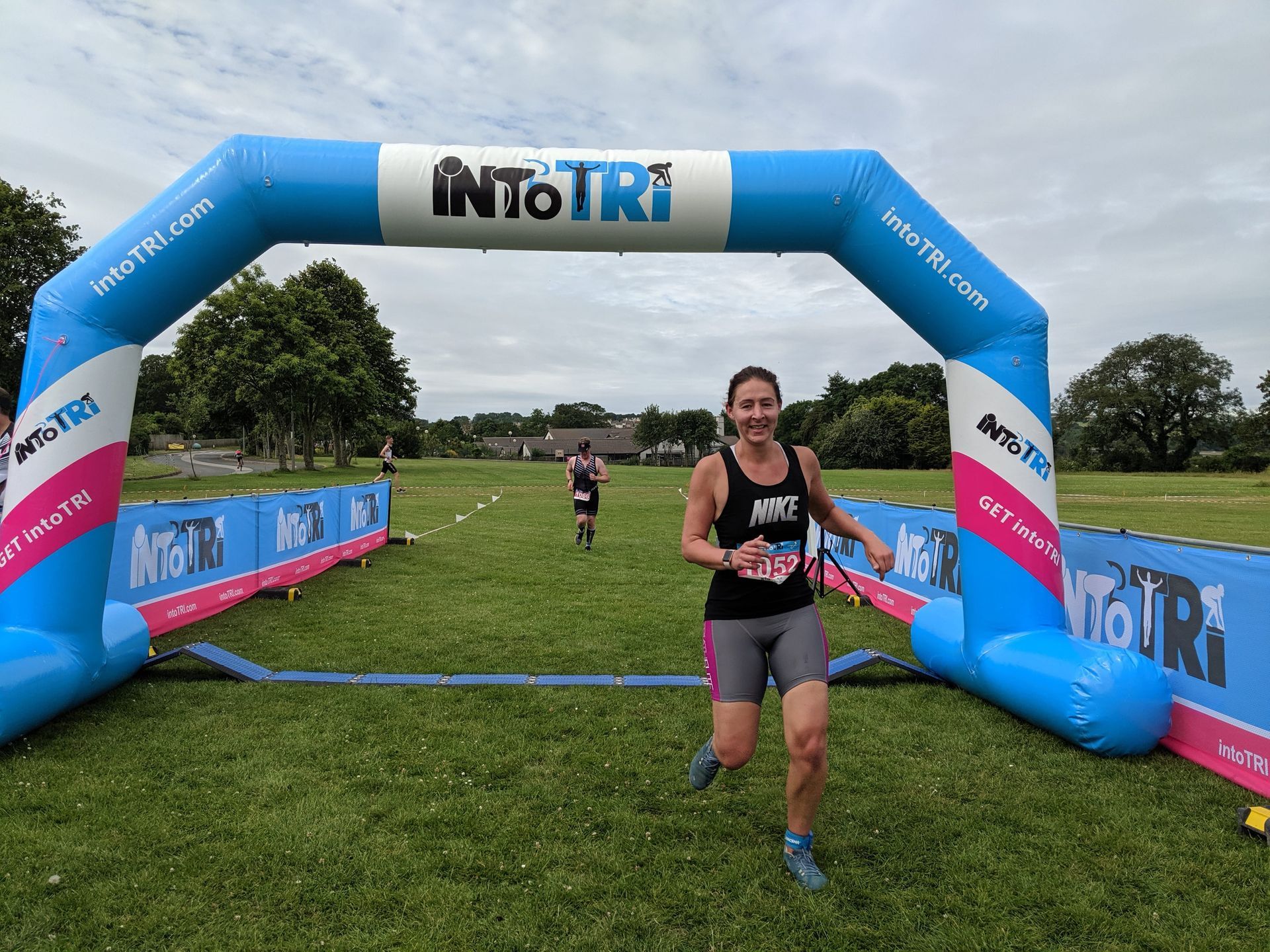
IntoTri Events make triathlons accessible to everyone. We are delighted to have been chosen as their 2026 medical provider.
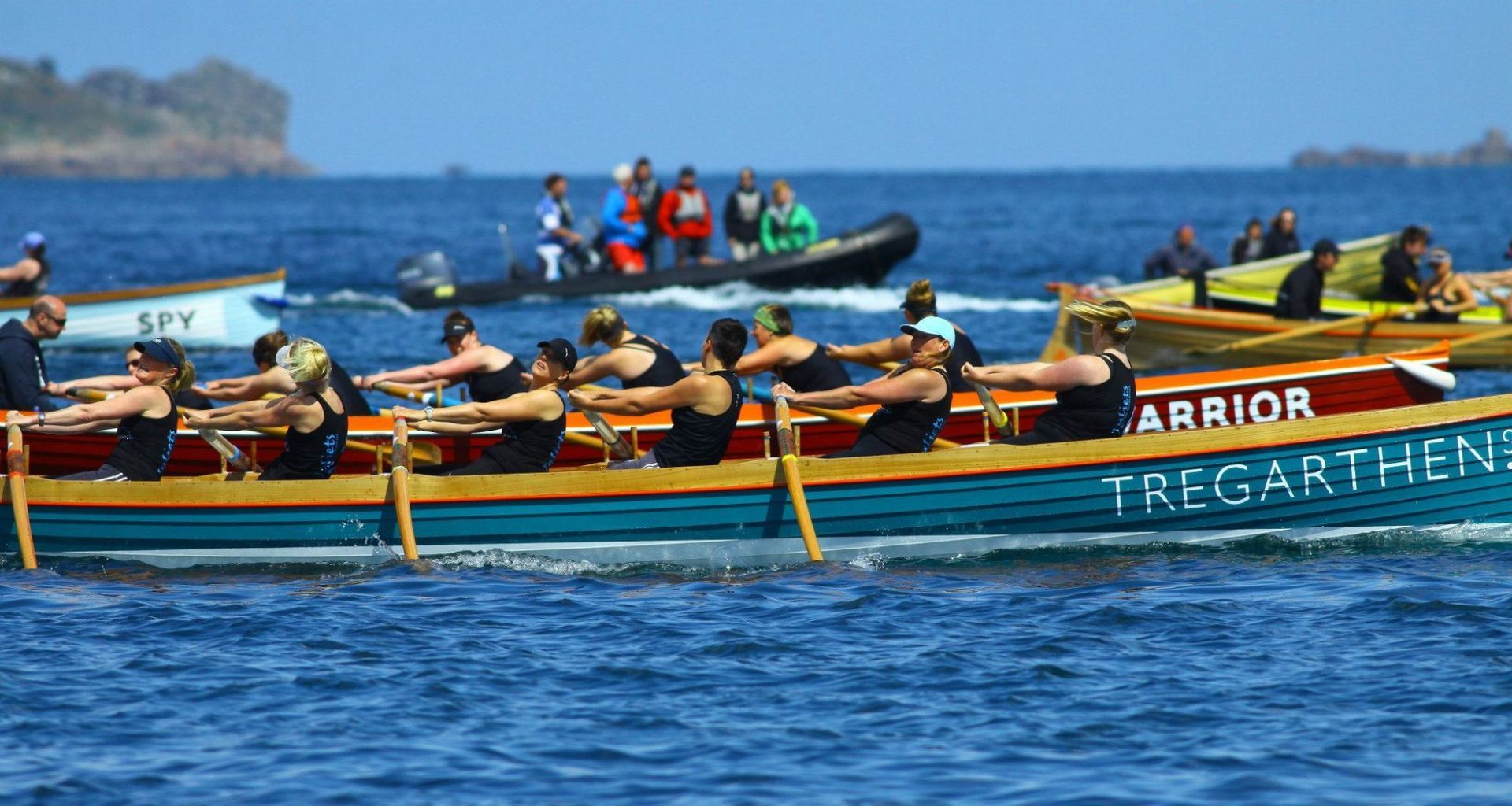
The World Gig Championships is logistically challenging, but we absolutely love being their medical provider.